
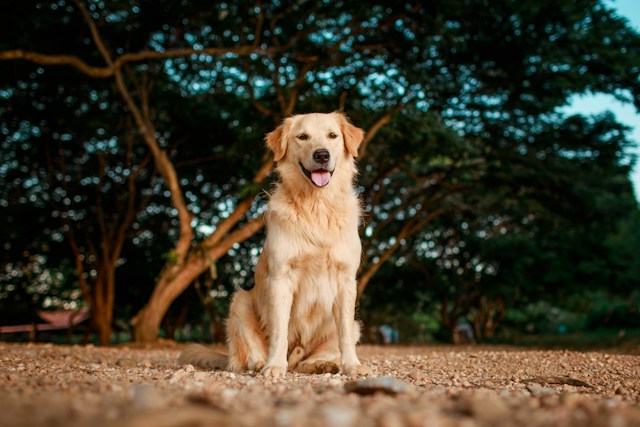
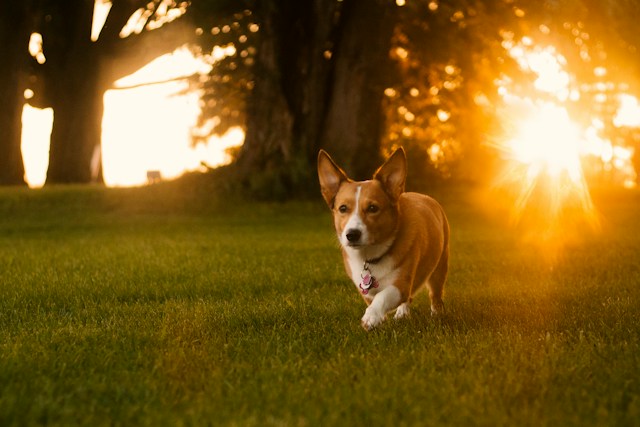
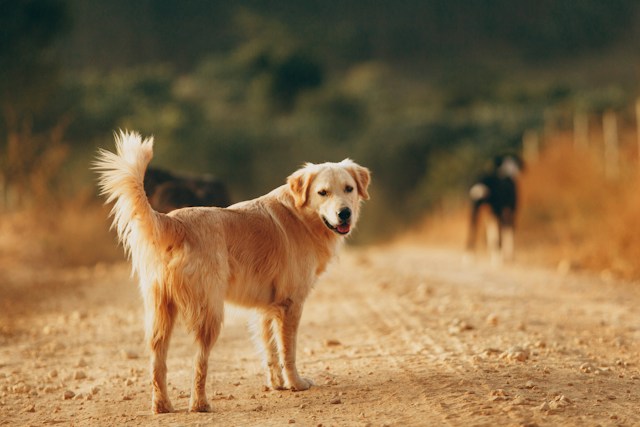
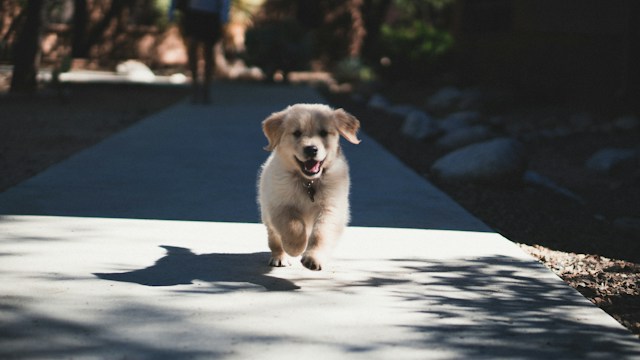
A dog that can remain calm around visitors, other dogs, unfamiliar places, and everyday distractions is easier and more enjoyable to include in daily activities. Calm behavior, however, does not always happen naturally.
Some dogs become extremely excited around people. Others may bark when they see another dog, pull toward interesting smells, or become overwhelmed in unfamiliar environments.
Training calm behavior involves gradually helping your dog develop focus, confidence, and appropriate responses.
Understand Your Dog’s Reactions
Before training, observe your dog’s behavior carefully.
Notice situations that cause excitement, hesitation, barking, pulling, or difficulty concentrating. Also pay attention to distance.
Your dog may be comfortable seeing another dog from across the street but become overly excited when that dog comes closer. This information helps you choose an appropriate starting point.
Body language also matters. Changes in posture, tail position, facial expression, movement, and attention can provide useful clues about how comfortable your dog feels.
Start Where Your Dog Can Succeed
Training is difficult when a dog is already overwhelmed.
Begin at a distance where your dog notices the distraction but can still respond to you. Reward calm observation, checking in with you, or following a simple command.
As your dog becomes comfortable, you can gradually reduce the distance.
Moving too quickly can make training harder, so allow your dog’s responses to guide the pace.
Teach a Focus Cue
Teaching your dog to look toward you on cue can be extremely useful around distractions.
Begin somewhere quiet.
Say your dog’s name or chosen focus cue. The moment your dog looks toward you, provide a reward.
Repeat this exercise until your dog responds reliably. Then practice in gradually more distracting environments.
The objective is not to force constant eye contact. Instead, you are teaching your dog that checking in with you is rewarding.
Reward Calm Behavior
Owners naturally notice undesirable behavior, but calm behavior is often ignored.
Your dog may be lying quietly while visitors talk, standing calmly while another dog passes, or waiting patiently before going through a doorway. These are excellent opportunities for reinforcement.
Quietly reward your dog when you notice the behavior you want.
Over time, reinforcing calm choices can make those behaviors more likely to occur again.
Practice Calm Greetings
Visitors can create enormous excitement for social dogs.
Before opening the door, have your dog on a leash if necessary and ask for a familiar behavior such as sitting.
Guests should avoid immediately exciting the dog. Attention can be provided when your dog is calmer and has four paws on the floor.
If your dog jumps, the visitor can temporarily withdraw attention. When the dog becomes calm again, interaction can resume.
Consistency helps your dog understand that calm greetings produce social attention.
Introduce New Environments Gradually
Dogs benefit from experiencing different environments, but new experiences should be introduced thoughtfully.
Instead of immediately taking an inexperienced dog into an extremely busy setting, begin somewhere quieter.
Allow your dog time to observe and sniff. Reward calm behavior and maintain enough distance from overwhelming distractions.
As confidence improves, gradually introduce busier locations.
Quality of exposure matters more than simply visiting as many places as possible.
Help Your Dog Stay Calm Around Other Dogs
Not every dog needs to greet every dog they encounter.
Teaching your dog to calmly pass another dog can be more useful than encouraging frequent on-leash greetings.
Start at a comfortable distance and reward your dog for noticing another dog without pulling or barking. Encourage attention back toward you and continue moving calmly.
Gradually practice at closer distances as your dog’s ability improves.
If your dog becomes highly reactive, increase the distance instead of forcing an interaction.
Use Predictable Routines
Predictability can help dogs understand what happens next.
Simple routines around walks, meals, visitors, and bedtime may encourage calmer behavior. For example, asking your dog to wait before going through the front door creates a predictable pattern instead of allowing them to rush outside.
Training should still include flexibility, but consistent household expectations make desirable behavior easier to understand.
Provide Enough Exercise and Enrichment
A dog with unused energy may find calm behavior more difficult.
Daily activity should be appropriate for your dog’s age, health, and individual needs. Walks, controlled play, sniffing activities, training exercises, food puzzles, and interactive games can all contribute to a balanced routine.
Mental stimulation is especially important. Ten minutes of focused training or scent work can sometimes be surprisingly engaging.
Rest is important too. Dogs need opportunities to relax without constant stimulation.
Avoid Forcing Interactions
If your dog appears uncomfortable around a person, animal, or environment, forcing closer contact can increase stress.
Instead, create additional distance and reward calm behavior from a location where your dog feels more comfortable.
Gradual positive experiences can help build confidence.
For significant fear or reactive behavior, individualized support from an appropriately qualified professional can be valuable.
Practice Patience and Consistency
Calm behavior develops through repeated experiences.
Some dogs naturally adjust quickly to busy environments, while others require more gradual exposure. Comparing your dog’s progress with another dog’s progress is rarely useful.
Focus instead on small improvements.
Perhaps your dog can now watch another dog pass without pulling, greet a visitor without jumping, or remain focused for several seconds in a new environment. These are meaningful steps.
Final Thoughts
Teaching calm behavior is not about removing your dog’s personality or excitement. It is about helping your dog develop the skills to manage that excitement appropriately.
Use positive reinforcement, begin at manageable difficulty levels, reward calm choices, and gradually introduce distractions.
With consistent practice, your dog can become more comfortable navigating visitors, other dogs, walks, and unfamiliar environments—making everyday experiences more relaxed and enjoyable for both of you.